Bariatric surgery assessment and follow-up
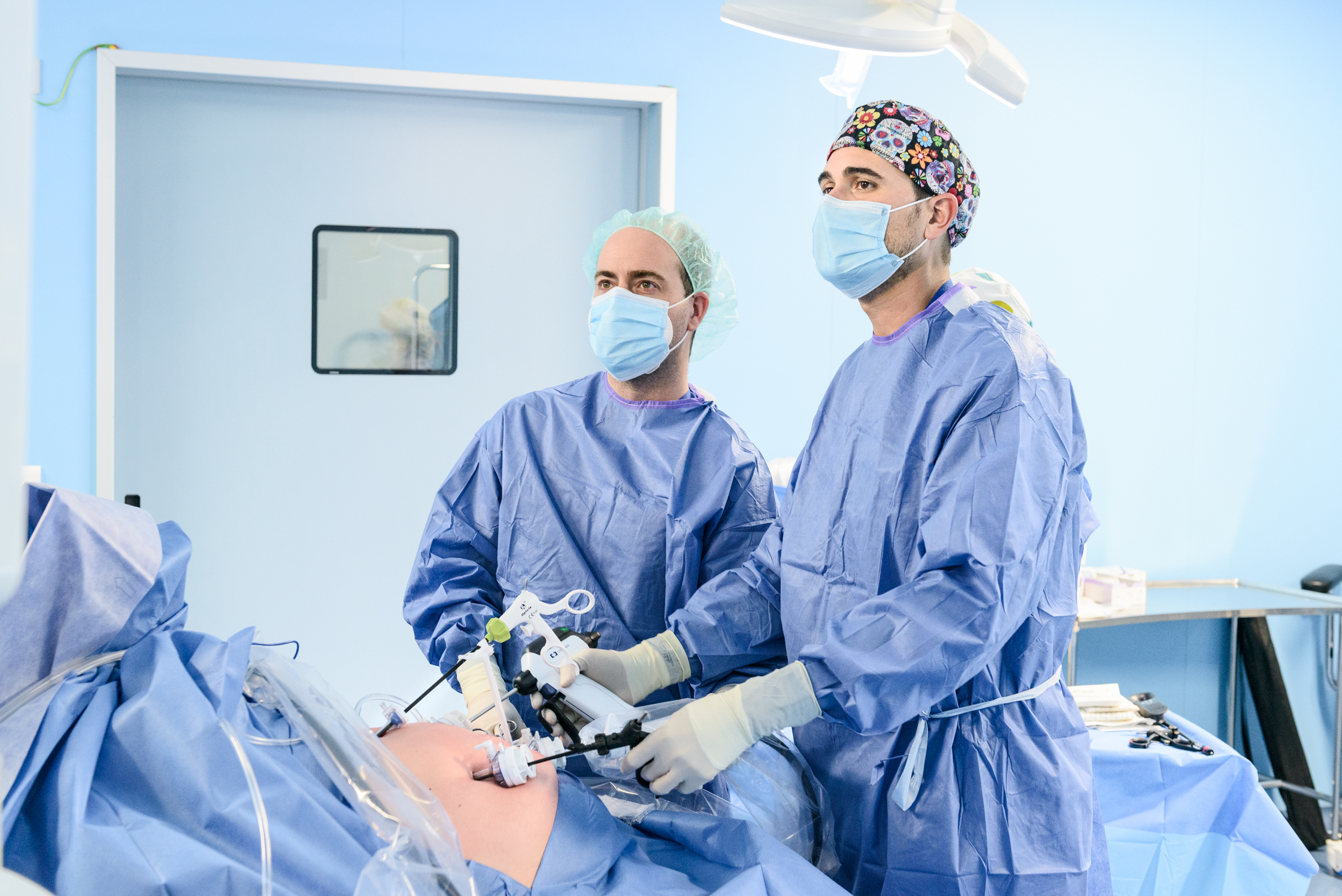
An obesity consultation does not begin with choosing an operation. It begins with understanding how your weight has changed, how it affects your health and which treatments you have tried. The aim is to establish a plan that includes preparation, surgery when indicated and follow-up care.
How we work: the first assessment
During your consultation with Dr Pablo Aragó, we review your medical and surgical history, medication, obesity-related conditions and treatment goals. It is helpful to mention any reflux, sleep apnoea, diabetes or difficulties maintaining your diet or taking supplements. We also discuss your expectations and questions about recovery, work and everyday life.
What to bring
- A list of your current medicines and supplements.
- Relevant blood test results and reports you already have.
- Reports from any previous digestive or bariatric surgery.
- An account of the weight management treatments you have tried and their results.
You do not need to arrange tests yourself before the consultation. We will recommend those that can contribute useful information to your assessment.
Comparing treatment options
We consider the role of lifestyle changes, medical treatment and surgery. If an operation is being considered, we explain the differences between gastric bypass, sleeve gastrectomy and SADI-S. The choice takes account of the expected benefits, risks and follow-up requirements. Robotic assistance is considered as a surgical approach when it offers technical value and is available.
Assessment and preparation before surgery
The assessment includes a clinical and nutritional review, checks for possible deficiencies and tests indicated by your medical history. An anaesthetic assessment is coordinated, together with input from other professionals where appropriate. We explain dietary guidance, medication management, thrombosis prevention and care after discharge. The timetable and the professionals involved are confirmed during your care.
Follow-up after surgery
During recovery, we review hydration, food tolerance, pain and activity. Later, follow-up covers changes in weight, associated conditions, medication and nutritional blood tests. Supplements and follow-up care continue in the long term. If you develop persistent vomiting, fever, significant pain or difficulty drinking, contact the team or attend an emergency department, depending on the severity. Do not wait for your scheduled review.
If you have already had surgery and need a new assessment
Weight regain, reflux and nutritional problems require investigation of their causes. The assessment may lead to nutritional adjustments, medical treatment or, if justified, revisional surgery. Bringing the report from your previous operation helps us understand your anatomy and plan investigations.
Appointments, centres and costs
You can request a consultation at IMED Valencia (Burjassot), IMED Colón or IMED Gandía. The centre will confirm Dr Pablo Aragó's appointment availability, your insurance coverage and the arrangements for the consultation. If surgery is proposed, it is advisable to request an itemised quotation showing what is included and the follow-up provided. Having a consultation at a centre does not mean that every operation is performed at all three centres.
Request an appointment with Dr Pablo Aragó
Request an appointment at your preferred IMED centre: Valencia (Burjassot), Colón or Gandía. In the portal, select ‘Cirugía General y del Aparato Digestivo’ (General and Digestive Surgery) and Dr Pablo Aragó Chofre. If you need help or cannot find his appointment schedule, see the telephone numbers and locations of the three centres.
The button opens IMED's external service, which has its own terms and privacy policy. Your appointment is subject to confirmation by the centre. Do not use this channel for emergencies.
Sources and content review
The Spanish source content was reviewed by Dr Pablo Aragó on 9 November 2026. References: 2022 ASMBS/IFSO indications and ASMBS information on bariatric procedures.