SADI-S surgery in Valencia
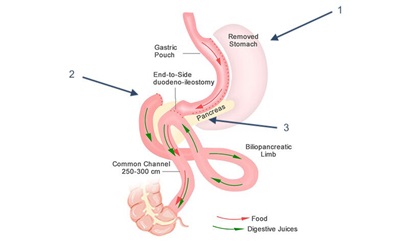
SADI-S combines a sleeve gastrectomy with a bypass connecting the duodenum to the ileum, a section further along the small intestine. Food mixes with digestive juices over a shorter length of intestine. This combination has a substantial effect on weight and metabolism and requires particular attention to nutritional status.
What does a single anastomosis mean?
An anastomosis is a surgical connection between two sections of the digestive tract. In SADI-S, the duodenum is divided beyond the pylorus and connected to the ileum through a single intestinal connection. The pylorus is preserved, but the route taken by food changes. The length of intestine over which food mixes with bile and pancreatic juices influences absorption and is taken into account when planning the operation.
In which situations is it considered?
It is an option for people with a high degree of obesity or significant metabolic needs, and it can be used to convert a previous sleeve gastrectomy when weight loss is insufficient or weight is regained. Assessment includes the ability to maintain follow-up, take supplements and achieve an adequate protein intake. BMI alone is not enough to select the procedure; health conditions, digestive health and medical history are also reviewed.
Differences from sleeve gastrectomy and gastric bypass
Sleeve gastrectomy alone does not reroute the intestine. SADI-S adds an intestinal component and has a greater effect on absorption. Roux-en-Y gastric bypass creates a small pouch separated from the rest of the stomach and uses a different reconstruction. These procedures are not interchangeable: reflux, metabolic goals and nutritional needs help guide the choice.
Results and follow-up: two inseparable aspects
Long-term follow-up series describe sustained weight loss and improvements in conditions such as type 2 diabetes. These findings do not guarantee that every person will have the same outcome. Follow-up should assess weight, metabolic control, quality of life and nutrition together. Substantial weight loss accompanied by protein deficiency would not be a satisfactory result.
Reflux and other risks
Preserving the pylorus does not mean that bile reflux is impossible. Existing gastro-oesophageal reflux also needs to be assessed. Surgical risks include bleeding and leaks from the sleeve or the duodeno-ileal connection. In the long term, more frequent bowel movements, diarrhoea or nutritional deficiencies may occur. The need for endoscopy depends on the clinical situation and follow-up protocol, rather than a universal schedule applied without assessing the patient.
Protein, vitamins and minerals
Nutritional follow-up is particularly important. Protein intake is monitored, and blood tests are performed to detect deficiencies, including iron, calcium and fat-soluble vitamins. Supplementation continues and is adjusted according to progress. Excessive weight loss, persistent diarrhoea, swollen legs or weakness require a consultation. Severe nutritional problems may require intensive treatment and, sometimes, revisional surgery.
How to prepare for your consultation
It is helpful to bring recent blood test results, reports from previous operations, and details of your medication and supplements. If you already have a sleeve gastrectomy, knowing how your weight has changed and whether you have reflux helps guide the assessment. Read about the assessment and follow-up process and the bariatric surgery options.
Book an appointment with Dr Pablo Aragó
Book an appointment at your preferred IMED centre: Valencia (Burjassot), Colón or Gandía. In the booking portal, select Cirugía General y del Aparato Digestivo (General and Digestive Surgery) and Dr Pablo Aragó Chofre. If you need help or cannot find his appointments, see the telephone numbers and locations of the three centres.
This button opens IMED's external service, which has its own terms and privacy policy. Appointments are subject to confirmation by the centre. Do not use this channel for emergencies.
Sources and content review
Original Spanish content reviewed by Dr Pablo Aragó on 9 November 2026. References: 2022 ASMBS/IFSO indications and ASMBS information on bariatric procedures.