

Related video
This content is hosted on YouTube. The player remains disabled until you choose to load it.
When you enable it, YouTube receives connection data and may use cookies or similar technologies to provide the service, measure its use and personalise content or advertising. Read YouTube's privacy information.
- Accept and load YouTube
- Keep disabled
- Disable YouTube
Open on YouTube (external site)
Your choice is not saved. Until you enable it, this block does not load resources from the provider.
You can use the external link to access the content.
Travelling after bariatric surgery
Travel is one of the activities you can return to after bariatric surgery. If you have had a gastric bypass or sleeve gastrectomy, preparing for the journey, food and medication helps make travelling easier.
In this article
When can I travel again after bariatric surgery?
Before booking a trip during recovery, discuss the length of the journey, your mobility, tolerance of fluids and food, and the care available at your destination with your team. A date alone does not establish that you are ready.
Planning before you set off
Once the circumstances of the trip have been reviewed, organise transport, accommodation and the care you will need.
Choosing your destination and transport: comfort and safety first
Consider how easy the destination is to reach and the availability of medical care.
Considerations for long journeys by plane, car or train
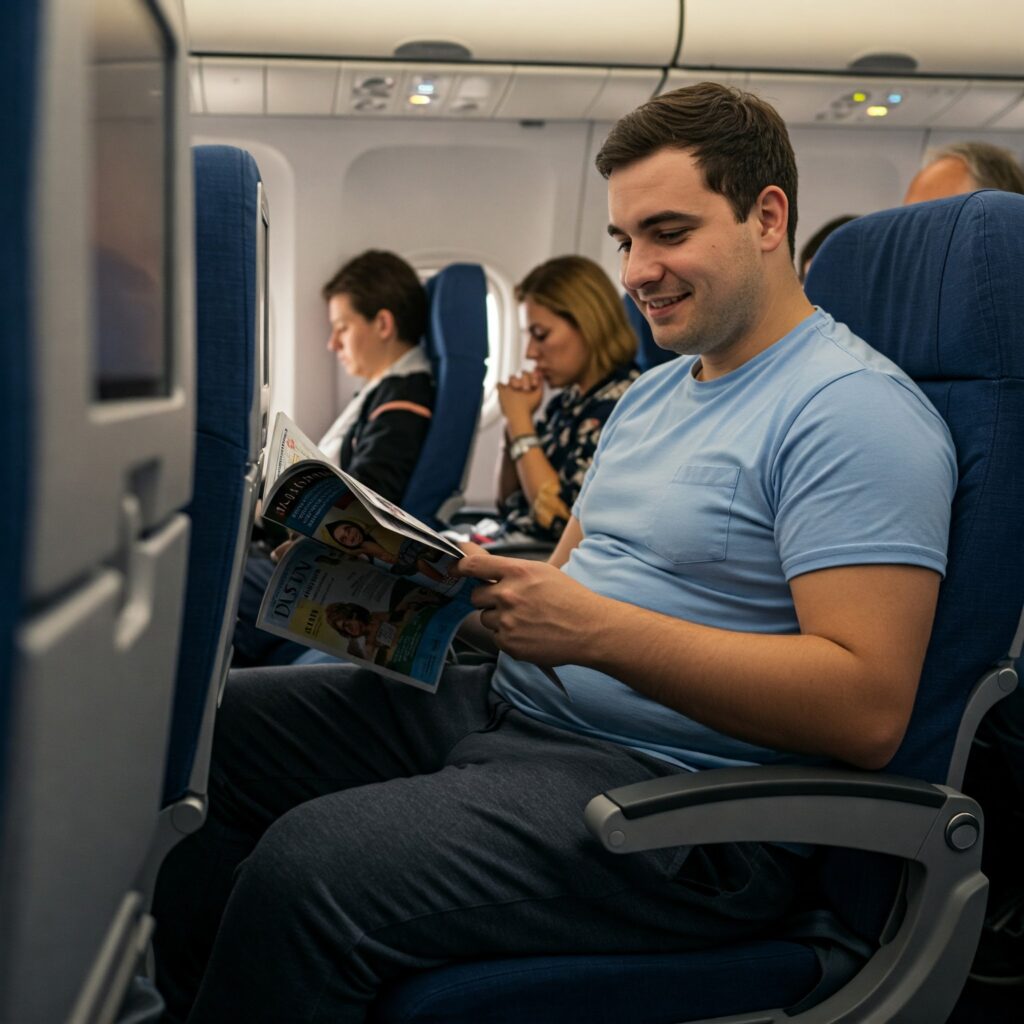
- Plane: choose a seat that makes it easy to get up. Walk periodically when conditions during the journey allow it.
- Car or train: when travelling by car, plan regular stops; on a train, stand up and walk when it is safe.
Accessibility and medical services at your destination
Check that you can obtain food compatible with your plan, and find out where medical care is available at your destination.
Managing food and hydration away from home
Planning food helps you follow your diet away from home.
Planning suitable meals and snacks after bariatric surgery
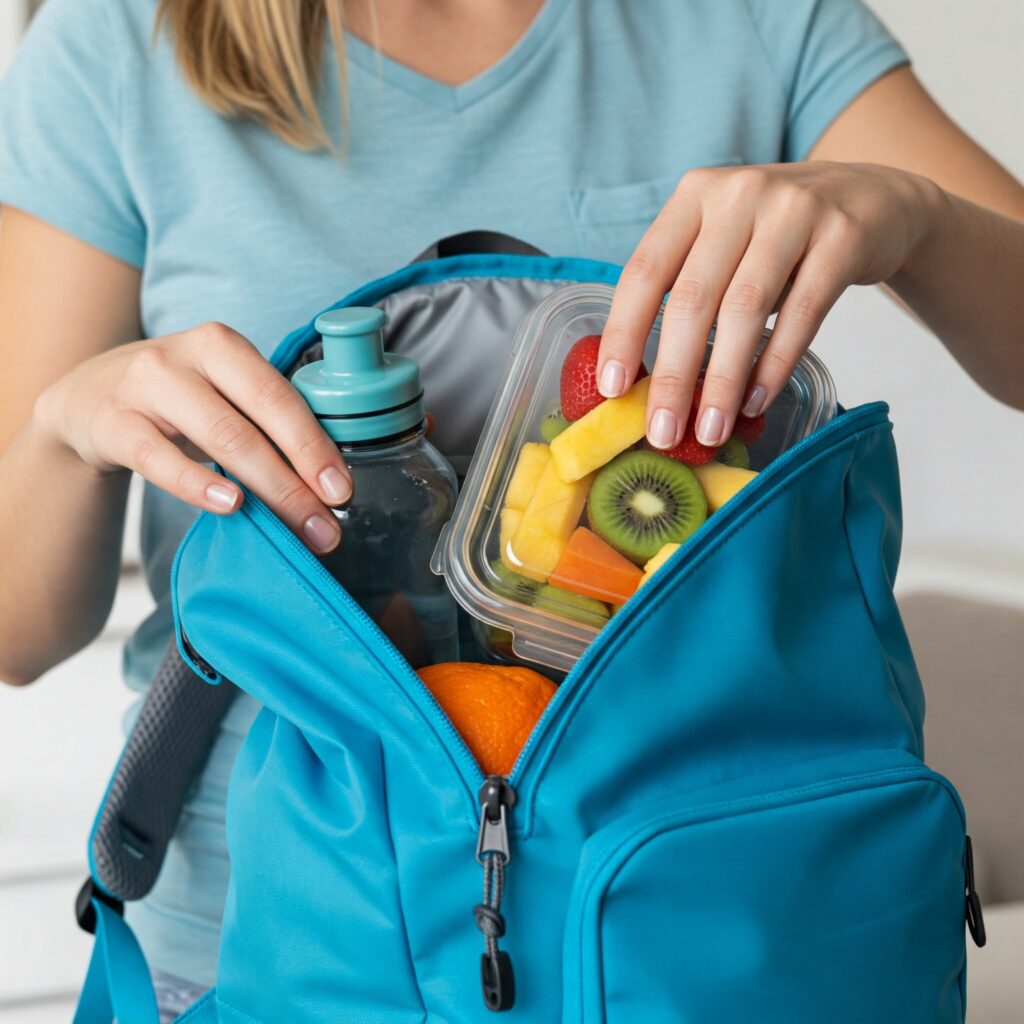
Take options you already tolerate that fit your dietary stage. Nuts, snack bars and dried fruit are not appropriate for every stage after discharge. Check restaurant options too.
Communicating your needs at restaurants and hotels
Ask for small portions and preparations compatible with your diet. If there is a language barrier, take a written description of your dietary needs.
Hydration: an essential part of your journey
Carry water and take small sips throughout the day. Follow the advice you have received about sugary drinks, fizzy drinks and alcohol.
Medication, vitamins and supplements: take everything you need
Continue your vitamin and mineral regimen during the trip.
Taking enough medication for the whole trip, plus extra
Take enough for every day, with an allowance for possible delays. Keep essential medication in your hand luggage.
Necessary documents: prescriptions
Take your prescriptions and a report listing your treatment, especially when travelling abroad.
Adjusting to time-zone changes
If you cross time zones, ask your doctor how to adjust the timing of medicines and supplements.
Travel insurance: an investment in peace of mind
Review the medical-care terms of your travel insurance.
Cover for pre-existing conditions and the postoperative period
Check the conditions and exclusions relating to previous illnesses and recent surgery.
During the trip: practical advice for bariatric patients
Continue your usual care during the journey and your stay.
Movement and prevention of thrombosis
Recent surgery and prolonged immobility increase the risk of thrombosis. On long journeys, stand up and walk when possible, and move your ankles while seated. Compression stockings or preventive medication require an assessment of your personal risk; do not add aspirin or anticoagulants on your own.
Seek medical assessment if you develop painful swelling in one leg. Sudden shortness of breath, chest pain or fainting require urgent care.
Listen to your body: pace and rest
Adapt activities to your recovery and set aside time to rest.
Recognising signs of fatigue or discomfort
Rest if you feel tired, and avoid forcing yourself to eat foods that cause discomfort.
Adjusting your itinerary if necessary
Adjust your itinerary if tiredness or discomfort develops. Prioritise activities that fit your stage of recovery.
Managing social occasions and eating out
Travel often involves eating out and social activities.
Managing events and group meals
Prioritise protein, eat slowly, chew well and serve yourself small amounts. Do not feel obliged to eat more than you need.
Explaining your situation simply
You can explain that you need different portions and preparations without sharing more medical information than you wish.
Be aware of dumping syndrome, particularly after gastric bypass
Dizziness, sweating, a rapid heartbeat or diarrhoea after eating can have different causes. Dumping syndrome is associated with rapid food transit, particularly foods high in sugar, after gastric bypass.
Foods and drinks to avoid to help prevent it
Very sugary meals can contribute to dumping symptoms in some people. Eat slowly and time fluids according to your plan. Dizziness, sweating or weakness can also have other causes, including hypoglycaemia; if they recur, consult your team. Fainting requires urgent care.
Before-you-go checklist
- Operation report and an up-to-date treatment list.
- Enough medication and supplements, with an allowance for delays.
- Water and food options compatible with your current plan.
- A plan for breaks, movement and help with luggage.
- Information about care at your destination and a check of your insurance terms.
Further information about prevention: CDC Yellow Book 2026: thrombosis and travel.
Book an appointment with Dr. Pablo Aragó
Book an appointment at your preferred IMED centre: Valencia (Burjassot), Colón or Gandía.
In the portal, select Cirugía General y del Aparato Digestivo (General and Digestive Surgery) and Dr. Pablo Aragó Chofre. If you need help or cannot find his appointments, see the telephone numbers and locations of the three centres.
Request an appointment at IMED
The button opens IMED's external service, which has its own terms and privacy policy. Appointments are subject to confirmation by the centre. Do not use this channel for emergencies.
Related podcast
This content is hosted on Spotify. The player remains disabled until you choose to load it.
When you enable it, Spotify receives connection data and may use cookies or similar technologies to provide the service, measure its use and personalise content or advertising. Read Spotify's privacy information.
- Accept and load Spotify
- Keep disabled
- Disable Spotify
Open on Spotify (external site)
Your choice is not saved. Until you enable it, this block does not load resources from the provider.
You can use the external link to access the content.
IMED Valencia
Av. de la Ilustración, 1, 46100, Burjassot. Valencia
IMED Colón
C/ Isabel La Católica, 12. 46004 València
IMED Gandía
Carrer Ciutat de Barcelona, 29. 46702 Gandia, Valencia
https://www.instagram.com/drpauarago/
Medical review of the Spanish source: Dr. Pablo Aragó Chofre, specialist in General and Digestive Surgery. Spanish source review date: 11 November 2026. General information for patients; assessment and indications are individualised during consultation.