Bariatric surgery in Valencia
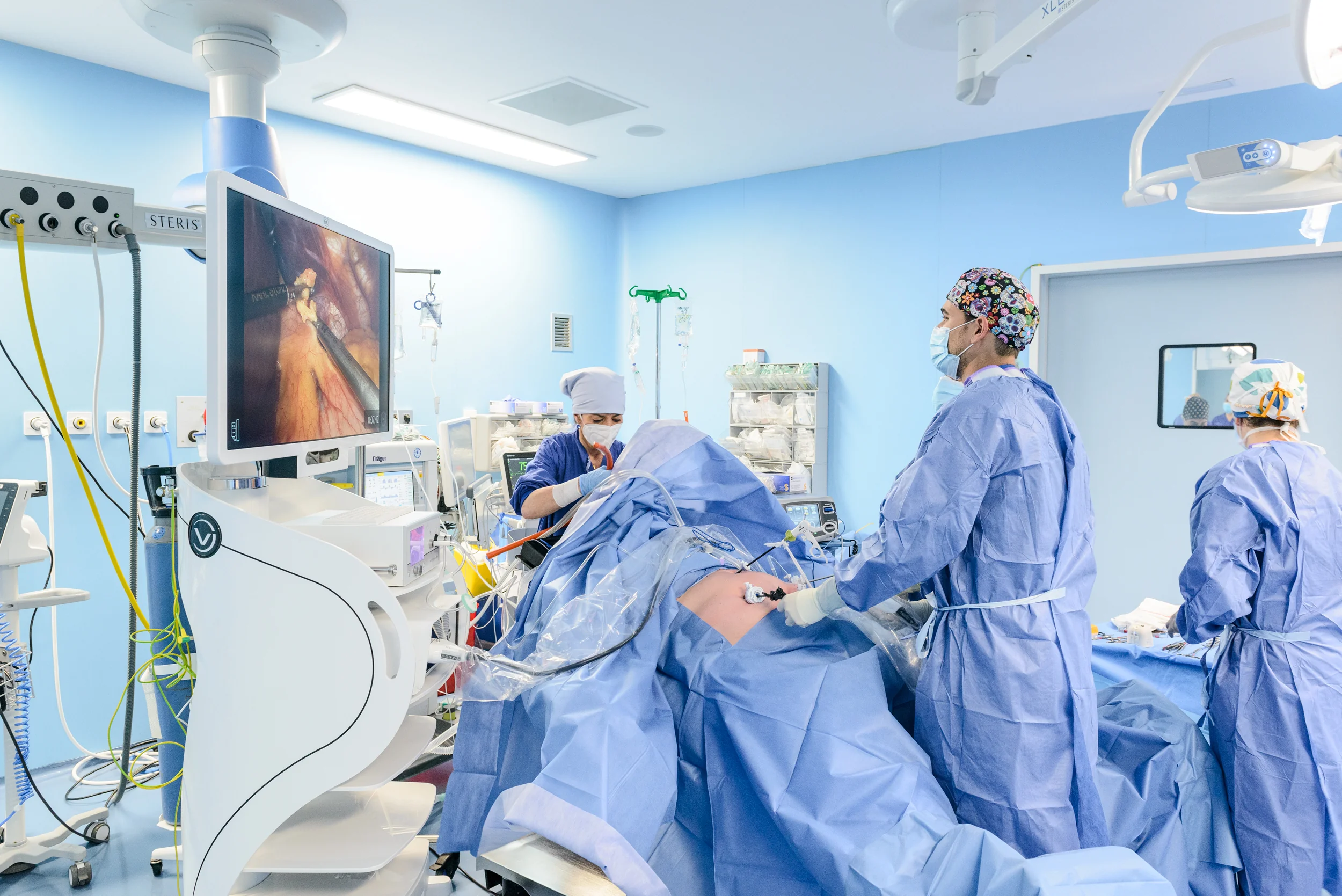
Bariatric surgery treats obesity and its effects on health. As well as helping to achieve sustained weight loss, it changes the signals that regulate hunger, fullness and metabolism. Gastric bypass, sleeve gastrectomy and SADI-S work in different ways: understanding these differences helps you make an informed decision, without reducing the choice to how many kilograms you might lose.
When is it worth considering an operation?
An assessment can be useful when obesity limits daily life, is accompanied by other health conditions, or previous treatments have not achieved lasting control. The review covers changes in weight, diabetes, reflux, sleep apnoea, medication, previous operations and nutritional needs. The procedure is selected individually, based on this assessment and the patient's goals.
Current indications: BMI is a starting point
The 2022 ASMBS/IFSO guidelines recommend metabolic and bariatric surgery for a BMI of 35 kg/m² or above, even without associated health conditions. They also recommend it for people with type 2 diabetes and a BMI of 30 kg/m² or above. With a BMI between 30 and 34.9, surgery may be considered if non-surgical treatment does not achieve sufficient, lasting improvement in weight or related conditions. Meeting a threshold does not, on its own, confirm that surgery is indicated or that it is covered by an insurer.
The calculator is not available at the moment. You can request a medical assessment.
Could I be a candidate for bariatric surgery?
Calculate your BMI and answer three questions. You will receive initial guidance, not a diagnosis.
1. Calculate your BMI
2. Answer three questions
Your body mass index
Explore assessment optionsChoose IMED Valencia (Burjassot), Colón or Gandía, and select Dr Pablo Aragó Chofre under Cirugía General y del Aparato Digestivo (General and Digestive Surgery). IMED's external portal will open; your answers and BMI will not be sent.
This tool is for adults and does not apply during pregnancy. It provides guidance only. BMI alone does not determine whether an operation is indicated. The decision requires an individual medical assessment.
Your answers and BMI are not sent or saved by this tool.
Three procedures: differences that matter
- Gastric bypass: creates a small pouch and reroutes food. Its metabolic effects and reflux control are relevant considerations; it requires supplements and monitoring for possible deficiencies.
- Sleeve gastrectomy: reduces the size of the stomach without rerouting the intestine. It is irreversible and may cause or worsen reflux.
- SADI-S: combines a sleeve gastrectomy with a duodeno-ileal bypass. It has a substantial effect on weight and metabolism, with greater attention needed to protein, vitamin and mineral intake.
Laparoscopy and robotic surgery
Minimally invasive approaches allow surgery through small incisions. Laparoscopy uses a camera and long instruments; robotic assistance adds three-dimensional vision and articulated instruments controlled by the surgeon. The robot is a way of performing the operation, rather than a different bariatric procedure or a guarantee of better results.
Which results should be compared?
Progress is assessed through weight, control of health conditions, quality of life and nutritional status. Percentage total weight loss and percentage excess weight loss are not equivalent. For example, losing 30 kg from a starting weight of 120 kg represents 25% of total body weight. Study figures should specify the procedure, timeframe and measure used; they are not an individual promise.
Preparation, recovery and follow-up
Before surgery, the necessary tests, nutritional status and anaesthetic assessment are reviewed. Afterwards, food and activity are gradually reintroduced, with guidance on hydration, protein and supplements. Discharge depends on progress and on being able to drink, walk and control pain. Long-term follow-up continues: it allows treatment adjustments, the detection of deficiencies and assessment of any weight regain, without automatically attributing it to a lack of effort.
What to bring to your first consultation
Prepare a list of medications, your medical history, reports from previous operations and an explanation of the weight treatments you have tried. The consultation allows you to compare alternatives and understand the next steps. The obesity assessment and follow-up page explains how this process is organised.
To prepare for the financial aspects, read about what to check in a quotation and the financing options for bariatric surgery.
Book an appointment with Dr Pablo Aragó
Book an appointment at your preferred IMED centre: Valencia (Burjassot), Colón or Gandía. In the booking portal, select Cirugía General y del Aparato Digestivo (General and Digestive Surgery) and Dr Pablo Aragó Chofre. If you need help or cannot find his appointments, see the telephone numbers and locations of the three centres.
This button opens IMED's external service, which has its own terms and privacy policy. Appointments are subject to confirmation by the centre. Do not use this channel for emergencies.
Sources and content review
Original Spanish content reviewed by Dr Pablo Aragó on 9 November 2026. References: 2022 ASMBS/IFSO indications and ASMBS information on bariatric procedures.