

5 March 2025
Related video
This content is hosted on YouTube. The player remains disabled until you choose to load it.
When you enable it, YouTube receives connection data and may use cookies or similar technologies to provide the service, measure its use and personalise content or advertising. Read YouTube's privacy information.
- Accept and load YouTube
- Keep disabled
- Disable YouTube
- Open on YouTube (external site)
Your choice is not saved. Until you enable it, this block does not load resources from the provider.
Bariatric surgery is a powerful tool for weight loss and improved metabolic health, but its long-term success depends to a large extent on adopting healthy habits, including regular exercise. Physical activity not only helps maintain weight loss but also improves cardiovascular health, muscle strength and emotional wellbeing. In this article, we explore how to introduce exercise safely and effectively after bariatric surgery.
For further context before and after the operation, read the article on obesity and exercise.
Benefits of exercise after bariatric surgery
Before looking at how to make exercise part of your daily routine, it is important to understand its benefits:
- Supporting weight maintenance: physical activity can contribute to maintaining weight loss and improving physical function, although it does not guarantee that weight regain will be avoided.
- Preserving muscle mass: during rapid weight loss, the body can lose muscle mass, which exercise can help counteract.
- Cardiovascular health: adapted activity can help improve blood pressure and other risk factors. The effect varies from person to person.
- Increasing energy and mobility: it helps make everyday activities easier.
- Emotional wellbeing: physical activity can help reduce symptoms of anxiety and improve mood; it complements, but does not replace, mental healthcare when needed.
- Muscle and bone function: adapted activity can help maintain strength and physical function. It does not guarantee prevention of osteoporosis or replace nutritional follow-up.

Stages of introducing exercise after surgery
Your return to exercise should be adapted to the operation, healing, complications and previous physical capacity. The following intervals are a guide and do not, by themselves, authorise lifting, abdominal exercises, swimming or increased intensity. Consult your team; swimming requires closed wounds and approval.
1. The first 4–6 weeks: recovery and basic mobility
During the first month after surgery, the main aim is to move without putting strain on the body.
- Gentle walks: start with short walks of 5–10 minutes several times a day and gradually increase the time.
- Breathing exercises and gentle stretches: these help improve circulation and reduce muscle stiffness.
- Avoid high-impact activities: lifting weights and strenuous exercise are not recommended during this phase.
2. From 6 to 12 weeks: introducing moderate physical activity
Once your doctor has given approval, exercise intensity can be increased.
- Longer, brisker walks: build up to 30–45 minutes a day.
- Bodyweight resistance exercises: movements such as squats, leg raises and stability exercises.
- Yoga or Pilates: these help improve flexibility and core strength without excessive impact.
- Swimming and water-based exercise: low-impact activity that is ideal for strengthening muscles and joints.
3. From 3–6 months: regular training and a variety of exercises
The body is now more adapted to weight loss, and physical activity can become more intensive.
- Regular aerobic exercise: cycling, long walks, gentle jogging and dance classes.
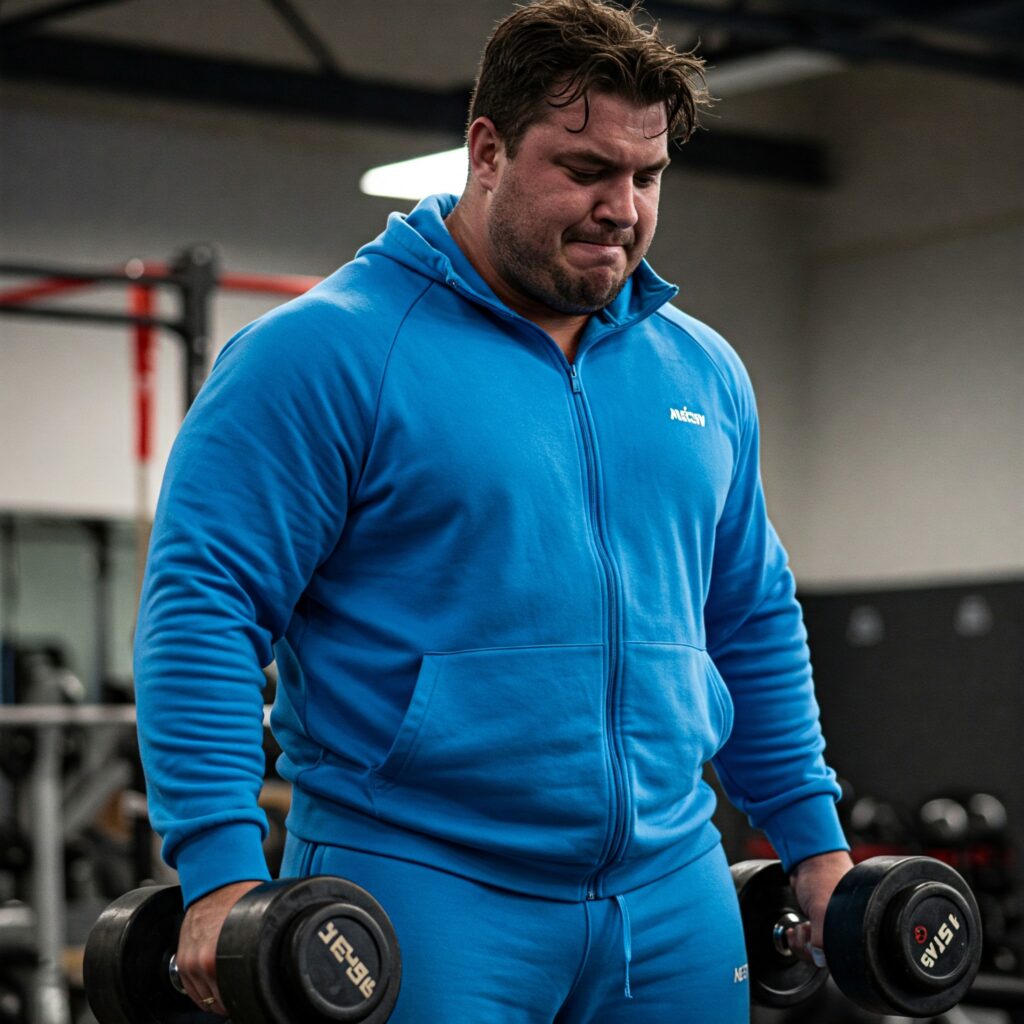
- Strength training with light weights: important for preserving muscle mass and increasing metabolism.
- Personalised routines: a trainer specialising in rehabilitation or bariatric surgery can help design an appropriate plan.
4. After 6 months: exercise as part of everyday life
At this stage, exercise should become an established habit.
- Structured training: incorporate cardiovascular and strength sessions at least 3–5 times a week.
- Explore new activities: sport, hiking, dancing or any enjoyable activity that helps maintain motivation.
- Listen to your body: increase intensity gradually without pushing too hard.
Tips for maintaining a successful exercise routine
- Start with small, realistic goals: increasing activity gradually helps avoid exhaustion and frustration.
- Find enjoyable activities: choosing exercises you enjoy makes it easier to maintain the habit.
- Establish a routine: exercising at the same time each day helps build habits.
- Find an exercise partner: this can make activity more motivating and sociable.
- Listen to your body: do not push through pain or extreme fatigue.
- Follow medical advice: always consult your specialist before increasing exercise intensity.
- Monitor progress: keeping a record of activities and achievements can be motivating.
Conclusion
Adapted physical activity can support strength, mobility and wellbeing. Increase intensity according to your team's advice. If you develop chest pain, fainting or disproportionate breathlessness, stop exercising and seek urgent medical attention.
Medical review of the Spanish source: Dr Pablo Aragó Chofre, specialist in General and Digestive Surgery.
Spanish source review date: 11 November 2026.
General patient information; assessment and recommendations are individualised during the consultation.