

Published: 7 August 2024.
Many people find it difficult to lose weight or maintain weight loss. This can be frustrating and is related to biological, environmental and social factors, as well as previous treatments, rather than willpower alone.
What is obesity?
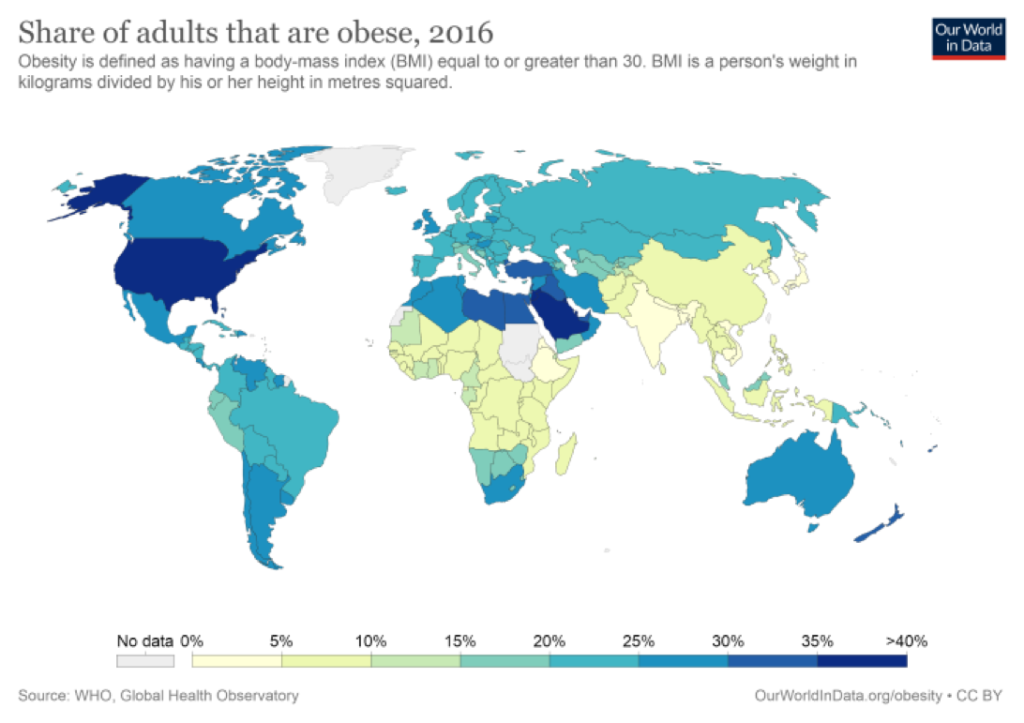
Obesity is a chronic disease characterised by an accumulation of fat that can harm health. It has become more common in many regions. The WHO highlights the interaction of biological, social and environmental factors; it cannot be explained solely by individual decisions.
Do you know whether you have obesity?
Obesity is classified using body mass index (BMI), a calculation based on the patient's weight and height. Click here to access the calculator.
In adults, a BMI of 30 kg/m² or above is classified as obesity. It is a guide: fat distribution, muscle mass, health conditions and physical function also matter. The same criteria do not apply to children or pregnancy.
| Adult classification | BMI (kg/m²) |
|---|---|
| Weight within the reference range | 18.5–24.9 |
| Overweight | 25–29.9 |
| Class I obesity | 30–34.9 |
| Class II obesity | 35–39.9 |
| Class III obesity | 40 or above |
BMI guides classification; it does not, on its own, determine a person's risk or treatment.
How is our weight regulated?
Eating is one of the basic human actions needed to sustain our lives and our species. Hunger is an internal alarm that tells us we need to eat, while fullness is the mechanism that switches that alarm off. These processes are controlled by complex, interconnected mechanisms that take place mainly in three organs: the brain, the intestine and adipose tissue — body fat.
Two theories have been developed to explain how these regulatory mechanisms work:
Short-term regulation: one example would be an increase in food intake after a period of fasting. Hunger is related to the signals that initiate eating and fullness. These signals may be:
- Sensory: stimuli we receive through sight, smell, taste, touch and temperature. When we see, smell or simply think about food, a stimulus is produced that we interpret as hunger.
- Digestive: stretching of the stomach caused by eating sends signals of fullness.
- Hormonal: for example, low blood sugar levels send a hunger signal prompting us to begin eating.
Long-term regulation: the body activates a series of mechanisms aimed at maintaining body weight and, in particular, fat reserves in adipose tissue. The ‘control centre’ for these mechanisms appears to be located in an area of the brain known as the hypothalamus.
Causes of obesity
Energy balance influences weight, but it is regulated by biological mechanisms and affected by the environment, medicines and other factors. Describing it does not, by itself, explain why a person develops obesity.
Obesity has increased in recent decades, largely because of the lifestyle of modern society and certain environmental factors. These environmental factors include:
- Diet: dietary calorie intake has increased in recent decades. This increase is due to higher levels of refined sugars and fats in food, higher glycaemic index foods, sugary drinks, larger portions of prepared meals, fast food and other factors. Some social aspects of modern life also affect diet: work commitments make it harder to prepare traditional home-cooked meals using natural ingredients, increasing the place of ‘fast food’ in the diet.
- Eating patterns: meal timing, fullness, stress or an eating disorder may have an influence. Obesity alone does not allow an eating disorder to be diagnosed or establish that someone lacks control; each situation needs assessment.
- A sedentary lifestyle: our way of life often requires little physical activity. A sedentary lifestyle is associated with lower energy expenditure and weight gain, and also contributes to age-related loss of muscle mass. Examples include driving to work instead of walking, working seated at a computer and spending more time watching television.
- Stress: this may affect sleep, eating and hormonal responses. Its relationship with weight is complex and cannot be explained by an increase in cortisol alone.
- Sleep: insufficient sleep has been associated with obesity, but the relationship is complex and cannot be explained by a single hormonal change.
- Medical conditions: some conditions, such as hypothyroidism or Cushing's syndrome, can contribute to weight gain. They are investigated when there are clinical clues; they are not the cause in every case.
- Medicines: some treatments may influence weight, including certain antipsychotics, antidepressants and antiepileptic medicines, as well as insulin. Do not change or stop medication without consulting your healthcare professional.
- Socioeconomic factors: food availability, surroundings, working conditions and access to healthcare influence health. Their effects vary between people, and a family's habits cannot be inferred from its educational level.
- The food industry: it floods the market with processed foods that are high in calories and low in nutritional value. Children are the most vulnerable population and a particular target for the industry, which seeks to shape their taste preferences and encourage brand loyalty.
People respond differently to the same environment. Genetic and biological differences help explain why some people have a greater predisposition to obesity than others.
In a minority of cases, a change in a single gene may contribute to severe, early-onset obesity. MC4R variants are among the known causes. Their frequency depends on the population studied, and diagnosis requires specialist assessment.
However, polygenic obesity — involving several genes — is the most common form in our society. Multiple variants have been described in genes related to maintaining energy balance and BMI. These genes may act through various mechanisms, including appetite regulation, energy expenditure, nutrient use and the formation of fatty tissue.
Genetic susceptibility interacts with the food and social environment. There are physiological mechanisms that regulate weight, but they can favour weight regain after weight loss. This does not mean that we lack regulatory genes or that treatment is useless.
From the above, we can conclude that obesity is caused by multiple interrelated factors. Some cannot be changed, such as our genes, while others can be modified, including diet, exercise and healthy habits.
If you need advice about losing weight, contact me.
https://www.instagram.com/drpauarago/
Medical review of the Spanish source: Dr Pablo Aragó Chofre, Specialist in General and Digestive Surgery.
Spanish text review date: 11 November 2026.
General information for patients; assessment and treatment recommendations are tailored to each person during the consultation.
Medical sources: WHO: obesity and overweight.