

Published: 12 February 2025.
Obesity has become a global epidemic, affecting millions of people worldwide and increasing the risk of serious conditions such as type 2 diabetes, cardiovascular disease, some types of cancer and joint problems. In this context, bariatric surgery has established itself as an effective tool for achieving significant weight loss and improving health in patients with severe obesity.
Bariatric procedures and surgical approaches have evolved with experience and technology. Laparoscopy, robotic surgery and supporting tools have different applications. Their technical capabilities do not guarantee better outcomes for everyone.
Minimally invasive techniques: laparoscopy and robotic surgery
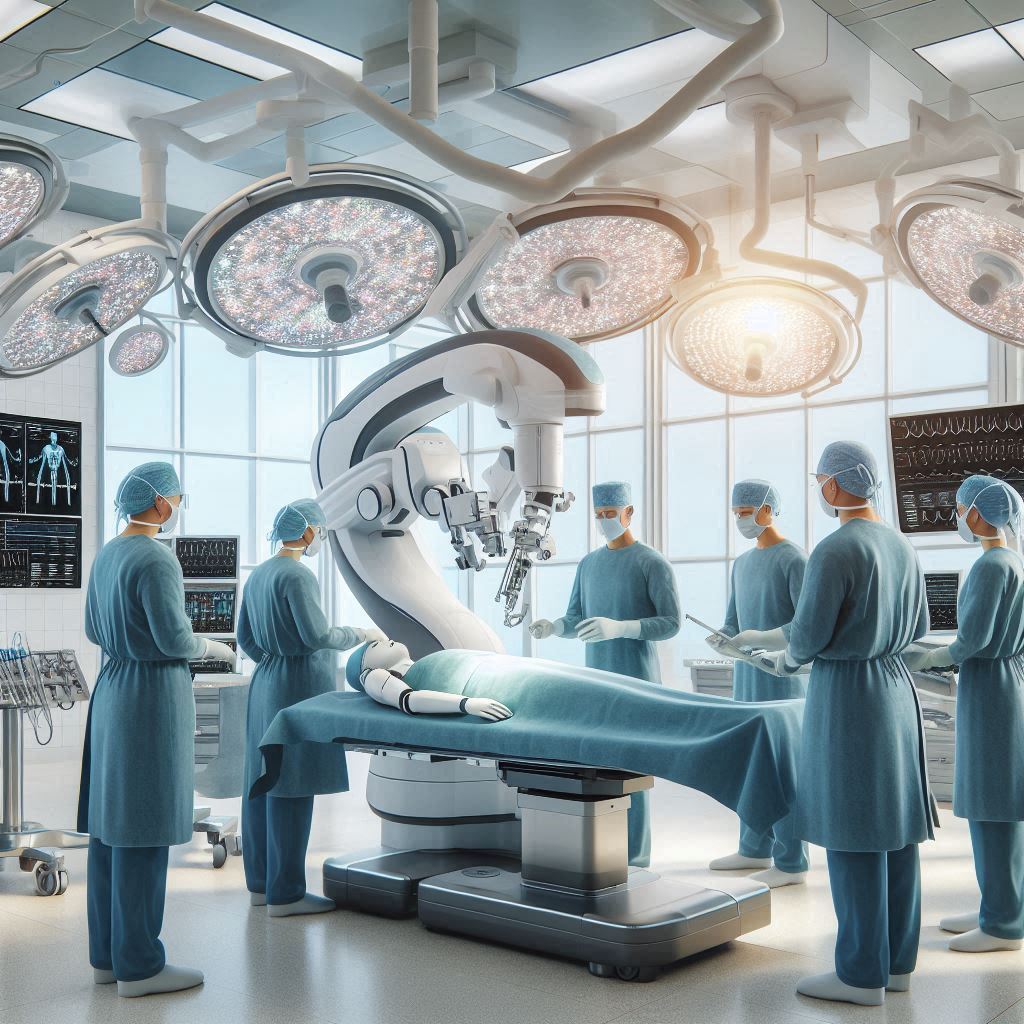
One of the main innovations in bariatric surgery has been the development and refinement of minimally invasive techniques, such as laparoscopy and robotic surgery. These approaches use small incisions in the abdomen, through which specialised instruments and a video camera are introduced.
Compared with traditional open surgery, minimally invasive techniques offer numerous advantages, including:
- Reduced postoperative pain: smaller incisions cause less tissue damage and therefore less pain after surgery.
- A lower risk of complications: smaller incisions also reduce the risk of infections and hernias.
- Faster recovery: patients who undergo minimally invasive surgery usually experience a faster recovery and can return to their normal activities sooner.
- Smaller scars: smaller incisions leave less visible scars.
Robotic surgery: improved precision and control
Robotic surgery uses a platform controlled by the surgeon, with three-dimensional vision and articulated instruments. These features may make certain manoeuvres easier, but do not, by themselves, demonstrate better clinical outcomes than laparoscopy.
The platform offers three-dimensional vision and articulated instruments controlled by the surgeon. These features may facilitate technical manoeuvres; they do not, by themselves, demonstrate fewer complications or better outcomes for every operation. Its features include:
- Instrument movements: articulated instruments can make some manoeuvres easier. Precision and outcomes also depend on the technique, team and individual case.
- Tremor filtering: the system reduces the transmission of certain involuntary movements to the instruments. This technical benefit does not amount to a guarantee of safety.
- Articulated instruments: these may make some movements easier during particular procedures. This does not, by itself, demonstrate better access or fewer complications than laparoscopy.
New bariatric procedures: adapting to individual needs
As well as different surgical approaches, there are different bariatric procedures with their own indications and risks. Not all of these techniques are new or suitable for everyone:
- Sleeve gastrectomy: this procedure involves removing a large part of the stomach, reducing its capacity and helping to control appetite.
- One-anastomosis gastric bypass: this procedure uses a reconstruction that differs from Roux-en-Y gastric bypass. A single join does not automatically mean fewer complications; bile reflux, nutritional risks and alternatives must be considered. It is mentioned for information, without presenting it as a procedure offered by this practice.
- Metabolic surgery: as well as weight, this addresses conditions such as type 2 diabetes. SADI-S combines a sleeve gastrectomy with a duodeno-ileal bypass; it requires careful assessment and long-term nutritional follow-up. Not all the techniques mentioned are new or have the same indications.
Artificial intelligence and bariatric surgery: the future of precision
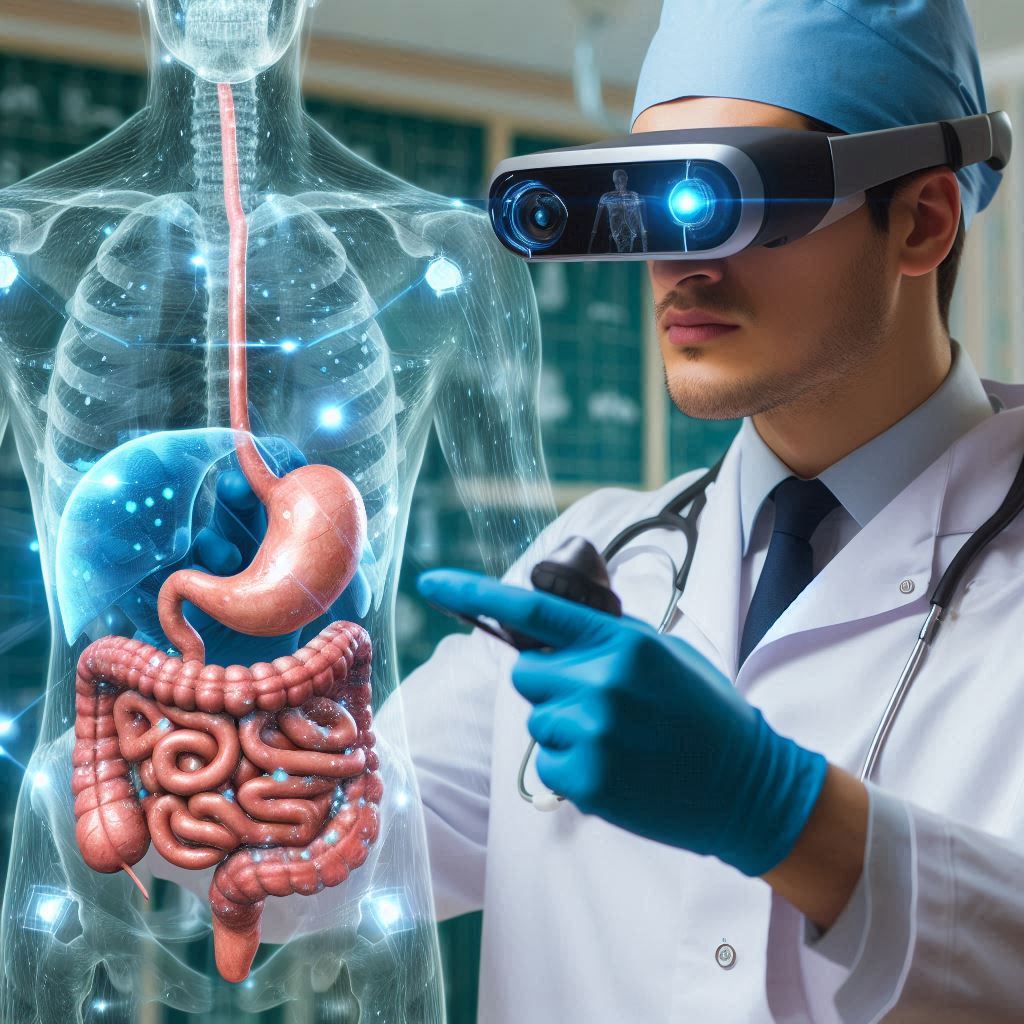
Artificial intelligence (AI) is beginning to play an increasingly important role in bariatric surgery. AI algorithms and systems are being developed that may help surgeons plan procedures, predict outcomes and personalise treatment for each patient.
For example, AI can be used for:
- Image analysis: models are being investigated to support interpretation and planning. Their use depends on validation and does not guarantee more accurate planning in every case.
- Predicting outcomes: AI can analyse patient data to predict the likelihood of success of different bariatric procedures and help surgeons make informed decisions.
- Personalisation: decision-support models are being investigated, but they do not replace clinical assessment or allow outcomes to be promised. Their use requires validation, data protection and professional oversight.
The future of bariatric surgery
New tools and techniques are being investigated to support bariatric care. Their clinical usefulness and safety must be assessed before their use becomes widespread.
New technologies and approaches, such as gene therapy and modulation of the gut microbiome, are also being investigated and could revolutionise obesity treatment in the future.
Bariatric surgery is an option for selected patients. Choosing the procedure and approach requires assessment of benefits, risks, alternatives and follow-up. Artificial intelligence and other technologies are at different stages of development and need clinical validation.
Medical review of the Spanish source: Dr Pablo Aragó Chofre, Specialist in General and Digestive Surgery.
Spanish text review date: 11 November 2026.
General information for patients; assessment and treatment recommendations are tailored to each person during the consultation.